Bar With Private Room Planning Tips for Last-Minute Events
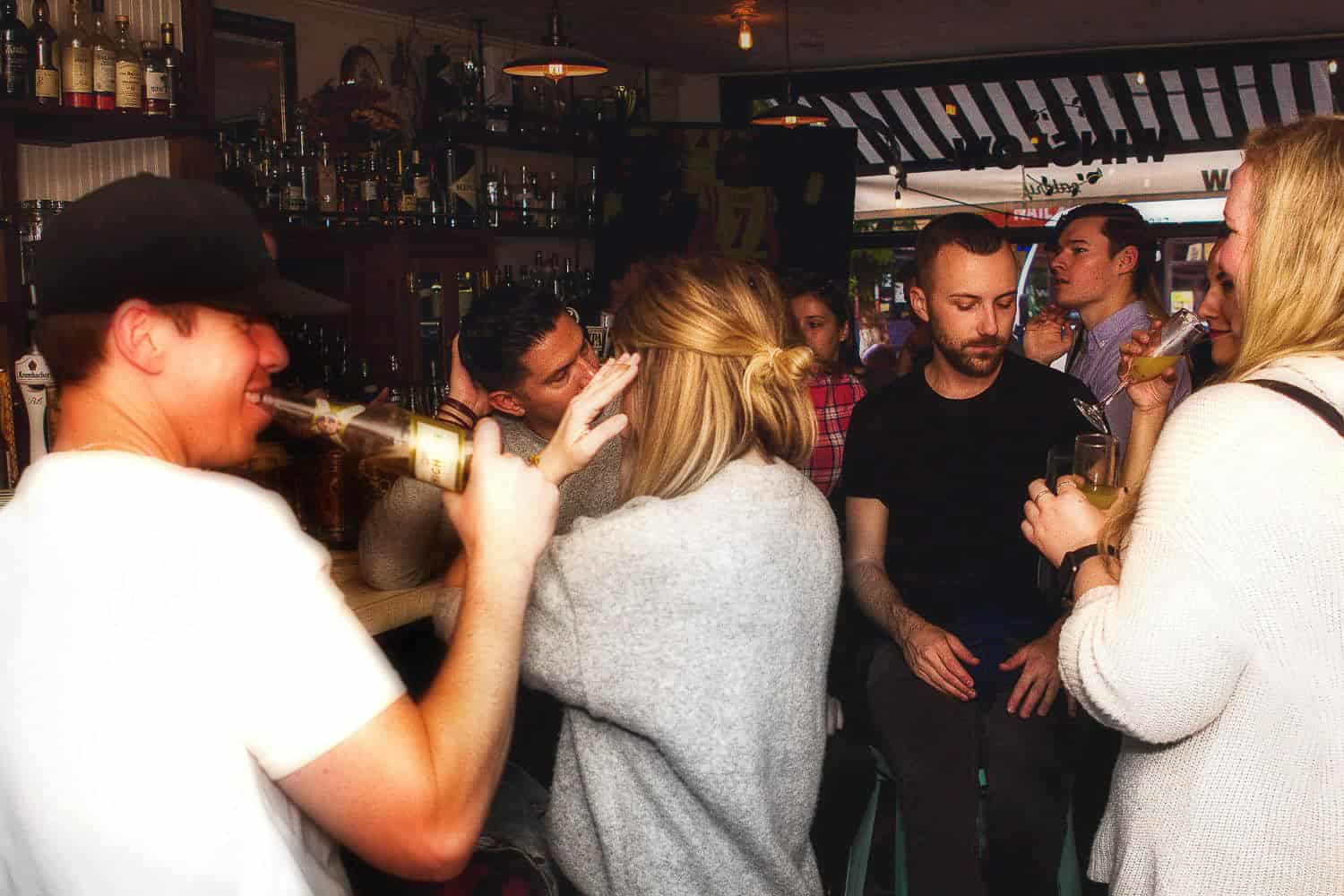
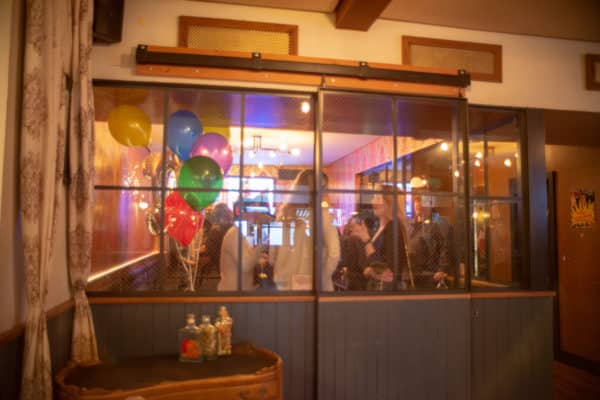
A last-minute event can go well, but only if you stop treating it like a scaled-down version of a fully planned one. The timeline is different, the risks are different, and the way you choose a venue matters far more than people expect. When time is short, a bar with private room often gives you the best balance of speed, atmosphere, and built-in logistics. You are not starting from an empty box. You are stepping into a space that already knows how to host people, pour drinks, manage noise, and keep service moving.
That said, not every private room is equally useful when the clock is ticking. I have seen rushed gatherings turn out polished and relaxed because the organizer asked the right questions in the first ten minutes. I have also seen events fall apart because someone booked the prettiest room online without checking the basics, then discovered too late that there was no standing space near the bar, no AV support, and no sensible food option for a crowd arriving straight from work.
When you need to pull something together fast, speed alone is not the goal. Speed with control is the goal. That starts with understanding what kind of event you are actually hosting.
First, define the real shape of the event
People often begin with the venue search before they define the experience. That is backwards. A retirement toast for 18 people, a client mixer for 40, and an internal team social for 60 may all fit inside a private room at a bar, but they need very different setups.
A quick example illustrates the point. A company once asked me for help finding a room for a "small networking event." That sounded simple enough. After ten minutes of questions, it became clear that "networking event" meant a founder giving a short presentation, two investors joining virtually, and a guest list made up mostly of people who had never met each other. That is not just drinks in a back room. That is a hybrid event with a social front end. The right room needed a screen, a microphone, decent acoustics, and enough circulation space for guests to mingle without crowding the presentation area.
Before you contact venues, pin down four things in plain language: guest count, reason for gathering, expected energy level, and how long people will stay. Those answers shape every smart decision that follows. If the event starts at 6:00 and most guests are coming directly from the office, you need fast first-service and easy arrivals. If the gathering is celebratory and open-ended, atmosphere matters more than formal seating. If it is a client event, privacy and sound control rise to the top.
A bar with private room is usually strongest when you want some separation from the main crowd without losing the social energy of the venue. That middle ground is often exactly right for short-notice events because it minimizes setup needs while still feeling intentional.
Why bars with private rooms work so well on short notice
Traditional event venues often ask for longer lead times because they build everything around your booking. Bars work differently. They already have staff, product, furniture, glassware, cleaning routines, and service systems in place. That matters when you are booking days before the event, or sometimes even within 24 to 48 hours.
There is also less friction in the planning process. Instead of arranging furniture rental, beverage service, staffing, and atmosphere separately, a good private room package combines most of that into one operational system. You can make fewer decisions and still produce a more coherent guest experience.
Another practical advantage is guest psychology. People generally know how to behave in a bar setting. They understand where to order, where to stand, how to move around the room, and what the evening is likely to feel like. That familiarity lowers social awkwardness, especially for networking events, birthday gatherings, informal business celebrations, and family milestones that do not need ballroom formality.
Still, speed can tempt people into lazy choices. The room that is available is not automatically the room that works.
Availability is not the same as fit
When venues know you are booking late, they often lead with what is open rather than what is suitable. That is not deceptive. It is just practical from their side. Your job is to filter quickly.
Capacity is the first trap. If you have 35 guests, a room that "holds 40" may be too tight if that number assumes theater-style seating or no buffet table. On the other hand, a room that holds 70 can make a 30-person event feel thin and underpowered. Ask for the usable capacity based on your intended format, not the maximum occupancy on paper.
Noise is the second trap. Many bars advertise private rooms that are technically separate but acoustically porous. If your event includes speeches, introductions, or sensitive conversation, sound bleed from the main bar can ruin the experience. The room may have a door, but if the bass from the DJ next door rattles the glassware, privacy is mostly symbolic.
Service style is the third trap. Some bars are excellent at handling open mingling with passed appetizers and a dedicated server. Others run best when guests order at a satellite bar and food arrives in rounds. Neither is wrong, but one may fit your event far better than the other. Last-minute planners often overlook this and end up with avoidable congestion.
Lighting matters too, particularly if your event includes photos, a short presentation, or older guests who do not enjoy reading a menu in nightclub darkness. A room that feels moody at 9:00 p.m. Can feel impractical at 6:30 p.m. When people are still settling in.
The fastest way to narrow your options
On a compressed timeline, you do not need a long venue search. You need a ruthless one. Pick a shortlist and make real calls instead of relying only on web forms. Email is useful for confirming details, but speed comes from a direct conversation. In a five-minute phone call, you can usually learn more than you would from three rounds of email.
Use a simple screen when speaking with a venue contact:
- Can the room comfortably handle my guest count for this exact format?
- What is the food and beverage minimum, and what does it actually cover?
- Will we have a dedicated server or point person during the event?
- How private is the room in terms of sound, traffic, and visibility?
- What is the latest deadline for confirming guest count and menu choices?
Those five questions cut through a lot of sales language. They also reveal how experienced the venue team is. A strong coordinator answers directly, adds useful context, and flags possible pressure points. A weaker one stays vague, overuses phrases like "should be fine," or cannot explain how the room works during a real service period.
If you are deciding between several similar places, responsiveness itself is a planning factor. A venue that takes a day and a half to return a call may also be slow when you need an updated invoice, a dietary accommodation, or a last-minute room adjustment.
Budget decisions that matter more than decor
Last-minute events usually carry one of two budget problems. Either the organizer has a healthy budget but too little time to spend it wisely, or the organizer is trying to keep costs down and ends up comparing only room fees. Both approaches miss where the real money goes.
At a bar with private room, the most important number is often not the rental fee. It is the minimum spend. That figure can be perfectly reasonable, but you need to know whether it includes tax, gratuity, room charge, AV fees, or only pre-tax food and beverage. A room with no rental fee but a high minimum can be more expensive than a room with a modest hire charge and flexible catering.
You also want to know how the minimum behaves if attendance drops. Last-minute events are more volatile. Someone gets sick, a travel plan changes, a few guests cancel late, and suddenly your 40-person event becomes 28. If your commitment is tied to a realistic menu and drink package, that may not hurt much. If it is tied to a rigid spending target, you may end up ordering more than guests want simply to meet the number.
One organizer I worked with booked a room for a product celebration on three days' notice. The venue looked affordable, but the minimum spend was based on a peak Friday night value that made sense only if the group drank heavily. The guest list was mostly early-career professionals who stayed for one cocktail and a few shared plates. The host spent the final half hour asking servers to send out extra bottles of wine no one had requested, just to close the gap. It would have been cheaper, and felt better, to choose a quieter midweek slot at a different bar.
Flexibility is often worth paying for. A slightly higher per-person cost at a venue that allows menu changes, adjusted guest counts, or mixed billing can save you far more than a headline bargain that locks every variable too early.
Food and drink should solve problems, not create them
Late-booked events succeed when the menu is easy to execute and easy to consume. This is not the time to get clever. Choose items that fit the room, the pace, and the purpose of the gathering.
For a short evening reception, heavy plated service can bog down the event unless everyone is seated and expecting dinner. By contrast, passed bites and a few substantial shared items often keep the room moving. If the event is immediately after work, guests usually need something more meaningful than chips and sliders, but not necessarily a full multi-course meal. The sweet spot is food that lands quickly, can be eaten while standing or chatting, and does not monopolize table space.
Drinks need similar discipline. Open bars sound generous, but on a tight timeline they can create queues and surprise bills. Limited selections often work better. A curated package with beer, wine, and one or two simple signature cocktails keeps service brisk and reduces waste. If your crowd is mixed in age, industry, or drinking habits, nonalcoholic options deserve the same thought as everything else. Sparkling water, alcohol-free spritzes, and one well-made zero-proof cocktail go much further than an afterthought pitcher of soda.
Dietary accommodations are where many rushed plans become visibly sloppy. You do not need a sprawling custom menu. You do need to ask early how the venue handles vegetarian, vegan, gluten-free, and major allergen requests. A bar team that can confidently explain substitutions and cross-contact protocols inspires trust. A team that says "we can probably figure something out" is a risk.
Timing is the hidden lever
When people rush, they focus on date and room, then forget to engineer the arrival window. Timing shapes almost everything, from staffing quality to guest mood.
A 5:30 p.m. Start can be ideal for office groups, but only if the venue can serve immediately and the room is ready before the first guest walks in. A 7:00 p.m. Start may suit a social crowd better, though it can overlap with heavier public trade and push your group into a louder atmosphere. Midweek often offers better flexibility, easier booking terms, and more attentive service than a Friday, especially for smaller private rooms.
There is also the question of event length. Last-minute gatherings tend to run best when they are slightly shorter than hosts imagine. Two hours of strong energy beats three and a half hours of drag. If the room is booked for a fixed block, think about how the event should peak and taper. A welcome drink on arrival, food inside the first 30 to 40 minutes, and any speech or formal moment before the room gets noisy is a sound rhythm in most cases.
If people may linger after the private booking ends, ask whether they can transition into the main bar. That can make your reserved time feel more generous without increasing the private room commitment.
Communication with guests needs to be unusually clear
A fast event leaves less room for guest confusion. The invitation has to do more work. The best ones answer practical questions without sounding overmanaged: where to go, when to arrive, what kind of event this is, and whether food is substantial or light.
Do not assume that "private room" tells people enough. Some venues have side entrances, reception desks, coded lifts, or hosts who escort guests upstairs. Others expect people to walk through a crowded bar and find the room themselves. If the route is not obvious, include one sentence explaining it. That small detail can prevent a surprising amount of friction in the first fifteen minutes.
The same goes for dress expectations. You do not need rigid dress codes for most bar events, but words like casual, business casual, or festive evening attire help guests calibrate. This matters more than people think, especially when the event sits between social and professional.
For corporate or client-facing gatherings, name badges, sign-in points, and sponsor materials should be kept light unless the event truly requires them. A bar setting generally works best when branding supports the atmosphere instead of competing with it.
What to inspect if you can visit, and what to ask if you cannot
An in-person visit is ideal, but it is not always possible with a compressed timeline. If you can stop by, go at the same time of day as your event. A room that feels calm at 3:00 p.m. Can feel entirely different at 7:00. Stand in the room with the door open and closed. Listen. Look at traffic flow. Notice where servers enter, where coats might pile up, and whether the furniture layout encourages conversation or traps people in corners.
If you cannot visit, ask the venue for a quick video walk-through taken on a phone. Not a polished promotional reel. A simple real-time video is more revealing. You will see the ceiling height, the distance between tables, the visibility of screens, and whether the room feels tucked away or forgotten.
Here are the practical details worth checking before you sign off:
- Whether the room has its own restroom nearby or requires guests to return through the main crowd
- How coats, bags, gifts, or branded materials will be stored
- Whether music volume in the room can be adjusted independently
- How the venue handles guest count increases on the day
- Who your on-site contact will be once the event begins
None of these details seem glamorous, but they are the sort that guests notice instantly when they go wrong.
Staffing can rescue or ruin a rushed event
A polished room means little if the service model is thin. On short notice, venues sometimes accept bookings they can physically fit but operationally struggle to support. That is why the staffing conversation matters.
You want to know whether your event will have a dedicated server, a bartender for the room if relevant, and one manager or lead point person. The exact ratio depends on group size and format, but in general, a room of 25 guests can often run well with one strong dedicated server and bar support nearby. A room of 50 guests with active food and drink service may need a more visible team.
The sign of a good operation is not only headcount. It is coordination. If the person selling the event cannot explain who will greet your guests, who will cue food, and who will handle special requests, there is probably a gap behind the scenes.
This is also where gratuity policies deserve attention. Automatic service charges are standard in many places, but you should know whether they go to service staff, whether extra tipping is expected, and how additional labor is billed if your plans change. Clarity avoids awkwardness later.
Expect changes, and build a buffer for them
Almost every last-minute event changes shape at least once. The guest count shifts. A VIP decides to come. Someone asks for a screen. The birthday cake appears from nowhere. You do not need a giant contingency plan, but you do need a little spare capacity, both spatial and financial.
Try not to book a room that is perfect only if everything goes exactly to plan. Leave some room in the layout. Leave some room in the budget. Leave some room in the timeline for late arrivals and slower-than-expected starts. Events rarely feel better because they are optimized to the decimal point.
The most effective hosts I have seen are calm because they choose venues that can absorb small surprises. A capable bar with private room often does that well. The bar knows how to flex https://thewinslow.blogspot.com/ service, add another platter, shift a few tables, and adapt to the rhythm of live guests. That operational elasticity is worth more than a long amenities list.
The final check before you commit
Once you have found the right room, move quickly, but do not skip the written confirmation. Make sure the agreement reflects what was actually discussed, including start and end times, access time, spending minimums, menu choices, cancellation terms, and any promised equipment or staffing support. Last-minute planning creates a natural temptation to trust verbal assurances. Resist it. Friendly conversations do not settle billing disputes.
If the contract language feels broad, ask for specifics by email. A brief message confirming, for example, that the room is fully private from 6:00 to 8:30, includes one dedicated server, and allows final guest count updates by noon the day before can save a lot of confusion.
Then stop tweaking. One of the common mistakes in rushed planning is overcorrecting once the main problem is solved. You secure the room, then start second-guessing every menu item, every playlist choice, every table angle. Past a certain point, refinement does not meaningfully improve the event. Solid logistics do.
A good last-minute gathering is not impressive because it looks overproduced. It is impressive because guests feel looked after, the room suits the mood, service flows without drama, and the host seems present instead of harried. That is why a well-chosen bar with private room remains such a reliable option. It gives you structure where you need it, flexibility where you do not have time to plan for every possibility, and a setting that feels social without needing much decoration from you. When the deadline is close, that combination is hard to beat.
The Winslow
Address: 243 E 14th St, New York, NY 10003
Phone number: +12127777717
FAQ About Bar With Private Room
Which bars in NYC offer private rooms?
Many bars in New York City offer private and semi-private rooms for parties and events, ranging from hidden basement speakeasies to upscale lounge spaces. Top options include The Back Room on the Lower East Side, Dear Irving Gramercy, Pebble Bar in Midtown, Mister Paradise in the East Village, and The Winslow in the East Village.
What is a private room in a pub called?
A small, private seating area or partitioned booth in a traditional pub is most commonly called a snug. Larger private rooms used for events, parties, or dining are typically referred to as private dining rooms, function rooms, or back rooms.
How much does a 2 hour open bar cost?
A 2-hour open bar generally costs between $15 and $45 per person, depending heavily on the quality of alcohol you choose. For a standard group of 100 guests, this translates to an overall cost of $1,500 to $4,500 before taxes, setups, and staff gratuities.