The Growing Popularity of Rooftop Gin Bar Concepts
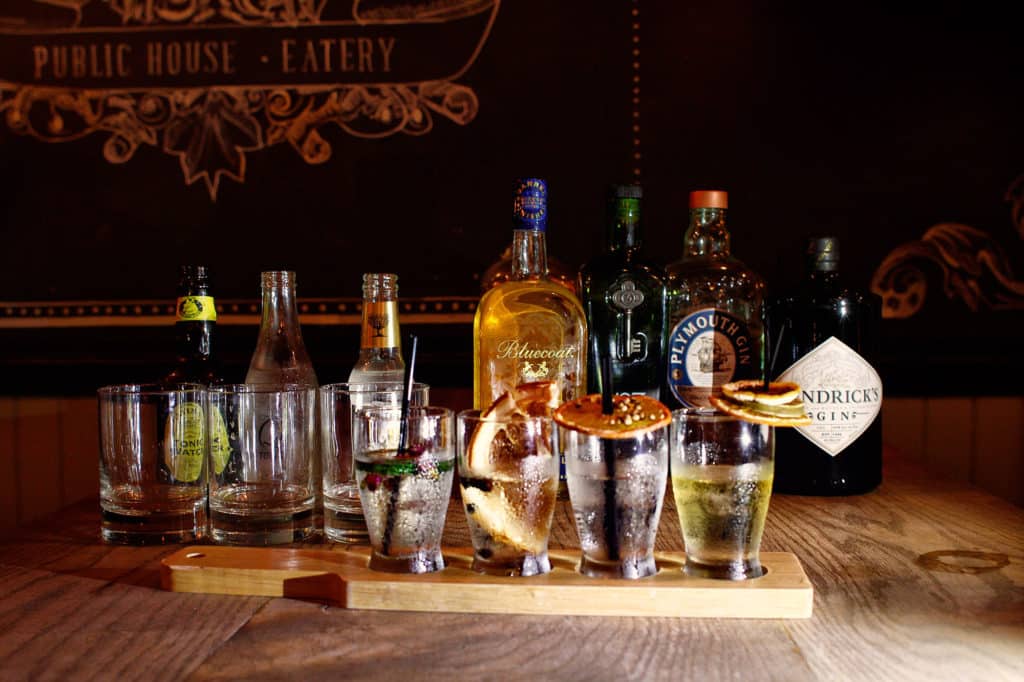
The rooftop bar is hardly a new idea, yet the rooftop gin bar feels distinctly current. It sits at the intersection of several shifts in hospitality at once: the return of more intentional drinking, the appetite for immersive venues, the rise of botanically driven spirits, and a growing expectation that a night out should offer both atmosphere and substance. For operators, that combination is attractive. For guests, it can be memorable in a way that a standard street-level bar often is not.
A well-executed Gin Bar on a rooftop does more than capitalize on a view. It turns setting into part of the drink itself. Gin, with its aromatics, citrus oils, herbs, florals, pepper, and forest notes, has a natural affinity with open air. The breeze, the temperature shift after sunset, the sightline over a city skyline or coastline, all of it changes how a guest perceives what is in the glass. That sounds poetic, but in practice it has real business value. People tend to remember places where multiple senses were engaged at once, and remembered places are the ones they photograph, recommend, and revisit.
This category has expanded across hotels, independent hospitality groups, boutique developments, and even mixed-use residential towers trying to build a destination identity. Some venues skew sleek and urban, pairing London dry gin with polished stone, low-profile furniture, and skyline views. Others lean lush and garden-like, with planters, climbing greenery, and house tonics served in balloon glasses over dense cubes of ice. What links them is not a single design language, but a shared understanding that gin is especially adaptable to the rooftop environment.
Why gin works so well above street level
Gin has one of the broadest expressive ranges of any core bar spirit. That matters on a rooftop, where guests often arrive with varied expectations. Some want a crisp, cold classic. Some are looking for lower-alcohol serves. Some want a drink that feels seasonal, visual, and fresh. Gin can carry all of those roles without seeming repetitive.
Vodka bars can struggle to communicate distinction unless they lean heavily on luxury cues or nightclub energy. Whiskey bars usually ask for a more intimate, insulated setting, one that supports contemplation and slower drinking. Rum bars can thrive outdoors, especially in resort markets, but they often pull the concept toward tropicality. Gin occupies unusually flexible territory. It can feel refined without becoming stiff. It can be playful without losing credibility. It can anchor a serious cocktail menu and still support easy, high-volume service through gin and tonic variations, spritzes, Collins builds, and frozen seasonal specials.
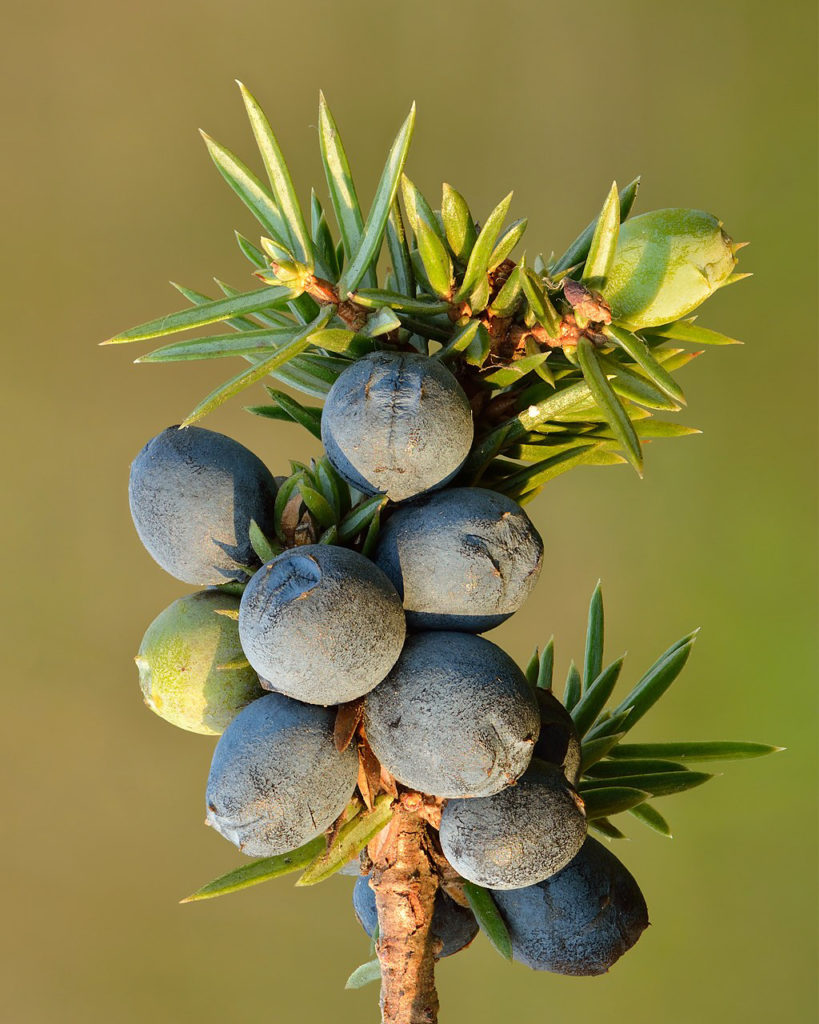
The spirit itself also aligns with current drinking preferences. Over the past decade, guests have become more curious about provenance, production methods, and flavor architecture. They ask where ingredients come from. They notice local botanicals. They care whether the tonic is neutral, citrus-forward, quinine-heavy, or sweetened aggressively. Gin rewards that curiosity because it gives a bar team stories to tell that are specific and sensory. Juniper is only the starting point. After that, a guest may encounter coriander, angelica, lemon peel, pink peppercorn, rosemary, olive, seaweed, chamomile, or regional ingredients that tie the drink to place.
A rooftop setting amplifies this storytelling. When a server explains that a coastal gin picks up saline notes that work particularly well at sunset with oysters or small seafood plates, that lands differently when the guest is actually looking out over water. When a bartender speaks about a local distiller using alpine herbs, the idea feels more vivid if the venue’s terrace landscaping echoes those notes. Good concepts understand that guests rarely separate product, setting, and service into neat categories. They experience them as one thing.
The shift from generic rooftops to point-of-view rooftops
There was a period when many rooftop bars succeeded simply because they were rooftops. Height itself was the product. In dense urban markets, that novelty still carries some weight, but it is no longer enough. Guests have become better editors of their own leisure time. They can tell the difference between a venue with a point of view and a venue relying on elevator access and a view corridor.
That has pushed operators toward more defined beverage identities, and gin has emerged as one of the strongest. A rooftop gin bar concept gives management a framework for menu development, glassware decisions, visual branding, staff training, and event programming. It also makes the venue easier to market. “Rooftop bar” is broad. “Rooftop Gin Bar” is more memorable and easier to position.
This is especially useful in competitive city centers where nearby venues may offer similar views. When the skyline is available to everyone on the block, a bar needs another layer of distinction. Gin provides it because the category is broad enough to sustain depth. A serious venue can list a dozen or more gins without looking bloated, rotating between house pours, local distillers, contemporary styles, barrel-rested expressions, and a few conversation pieces. At the same time, the casual guest can still order a straightforward G&T and feel completely accommodated.
The best operators resist the temptation to over-intellectualize the category. They know that rooftop business often depends on pace, mood, and easy social interaction. A venue that reads like a textbook risks alienating the after-work crowd, the hotel guest, or the group that arrived primarily for the atmosphere. The sweet spot is expertise worn lightly. Staff should know the difference between juniper-forward and citrus-led profiles, but they should deliver that knowledge in clean, confident language, not a lecture.
Design is not decoration, it is strategy
The popularity of rooftop gin bar concepts is also a design story. Gin invites a visual world that is easier to execute than many spirit-led bar identities. Botanicals translate naturally into materials, textures, scent, and color. That does not mean every venue needs faux hedges, hanging vines, and cucumber slices in every glass. In fact, some of the most effective spaces are restrained. But there is usually a through-line connecting the environment to the product.
On a practical level, rooftops pose constraints that directly affect concept design. Weight loads matter. Wind matters. Sun exposure matters. Glassware choices matter more than many first-time operators expect. Menus must account for heat, dilution, and guest comfort. Upholstery that looks beautiful in a rendering can become a maintenance problem after one full season of UV exposure and summer storms. Herb planters can elevate the experience, but only if the team has a realistic plan for upkeep and replacement. A dying rooftop garden sends exactly the wrong message for a gin-led venue that wants to signal freshness and care.
Experienced operators often treat the rooftop gin bar as a sequence rather than a single room. The guest arrives at the elevator, transitions through an entry moment, then encounters the reveal of the terrace and the first view line. The bar should be visible enough to orient the room, but not so dominant that it blocks flow. If there is indoor shelter attached, it must feel like part of the concept rather than a fallback. Many rooftops underperform during shoulder seasons because the indoor area feels generic while all the design energy was spent on the terrace. Guests should not feel they have been moved from the destination into storage.
Lighting deserves special attention. Gin bars benefit from brightness in the drinks themselves, clear ice, reflective glassware, pale citrus, fresh herbs, transparent mixers. Warm, low lighting can look romantic, but too little light flattens the visual appeal of the serve. Smart venues create a layered lighting plan that leaves enough visibility for drinks to read well in the evening without pushing the space into harshness.
Social behavior has changed, and rooftops fit the new rhythm
One reason rooftop gin bars are growing in popularity is that they fit the current rhythm of social drinking better than many traditional bars do. Guests increasingly want flexibility. They may begin with one round and small plates, stay for several hours if the mood is right, or move through the venue as the light changes. Rooftops handle this kind of elastic behavior well. They invite arrival earlier in the evening, when daylight still contributes to the atmosphere, and they transition naturally into night.
Gin also supports that progression better than a narrowly themed cocktail program. At 5:30 p.m., a light gin highball with citrus and soda feels appropriate. At 7:00 p.m., a martini or a more layered stirred cocktail can take over. Later on, a stronger signature serve with spice or savory depth makes sense. The category can stretch across those moments without a hard reset in tone.
There is also a visual culture factor that operators would be foolish to ignore. Rooftops are inherently shareable spaces, and gin drinks often photograph beautifully because they are colorless or lightly tinted, allowing garnishes, glass shape, and ice quality to stand out. The challenge is not to design solely for photos, but to recognize that photogenic details are now part of the commercial equation. If a guest posts a sunset martini against a skyline, that image can communicate the venue’s appeal faster than any ad copy. Yet if the drink looks good and tastes forgettable, the effect is short-lived. Sustained popularity still depends on repeatable quality.
The menu choices that separate a real concept from a gimmick
A rooftop gin bar fails when it confuses a spirit feature with a concept. Putting three gin cocktails on a menu does not create identity. A true concept shows thought across range, service style, and operational logic.
A strong menu usually begins with clarity about what kind of gin venue it wants to be. Is the bar educational, broad, and comparative, with flights and a sizable back bar? Is it social and accessible, leaning on easy-drinking classics and seasonal signatures? Is it local-first, showcasing regional distilleries and nearby produce? Most successful rooftops choose one dominant lens and let the rest support it.
The classics matter more than many operators expect. Guests ordering a martini, negroni, or gin and tonic at a rooftop Gin Bar arrive with a built-in standard. Those drinks are not background items. They are credibility tests. If the tonic is flat, the ice is weak, or the martini is overdiluted because the team was not trained for volume, no amount of rooftop glamour will fix the impression. A venue can get away with one underwhelming novelty cocktail. It cannot afford to mishandle the classics that define the category.
Seasonality is where rooftop gin bars can truly shine. Spring menus naturally lean floral, green, and bright. Summer can broaden into stone fruit, melon, pepper, basil, and saline notes. Autumn works surprisingly well with gin when menus incorporate orchard fruit, spice, black tea, or gentian accents rather than defaulting entirely to brown spirits. Winter is the hardest season for exposed rooftops, but protected terraces and enclosed rooftop spaces can still make gin feel relevant through martinis, warm serves in limited cases, and richer botanical combinations.
A useful rule in practice is that rooftop menus should offer a visible spectrum of effort. Some guests want low-friction orders they can place instantly. Others want to read, ask, compare, and experiment. The menu should make both experiences easy without making either group feel secondary.
The economics behind the trend
The romance of rooftop hospitality tends to overshadow the economics, but the business case is a major reason these concepts keep appearing. Rooftop venues can command premium pricing because they package a drink with access to place. When the concept is disciplined, gin can be especially profitable. House gin and tonic serves, Collins variations, and certain aperitif-style cocktails often carry healthy margins relative to labor intensity. Premium upselling also tends to feel natural in gin, since guests can be offered distinct flavor profiles rather than merely a more expensive label.
That said, rooftops are not easy money. Build costs are usually higher than for a conventional bar, especially when elevators, weatherproofing, shade structures, fire and safety compliance, drainage, and sound management are part of the equation. Staffing can be more complex as well. Carrying product and ice to a rooftop is easy to romanticize and hard to execute. Wind creates breakage risk. Sudden weather changes affect covers and labor planning. Music policies may be tighter due to neighboring residential units or hotel guestrooms. A rooftop that runs beautifully on a calm Friday in May can become operationally awkward in August heat or during an unexpected storm.
The venues that make the model work tend to be precise in a few areas:
- They build menus around service speed as well as creativity.
- They engineer the physical bar for storage, garnish management, and ice access.
- They understand their climate and plan shoulder seasons seriously.
- They train staff to sell gin by flavor and occasion, not jargon.
- They price for the experience without drifting into opportunism.
Notice that none of those points depend on having the largest spirits list in town. Depth matters less than coherence. A bar with ten well-chosen gins and excellent execution will outperform a bar with forty bottles and no clear point of view.
Local identity gives rooftop gin bars staying power
One of the more interesting developments in this space is the move toward localized gin programming. A decade ago, many bars built identity through imported prestige. Now there is often more value in regional relevance. Local distilleries have multiplied in many markets, and even where legal or supply constraints exist, there is usually stronger guest interest in place-based storytelling than there used to be.
This plays particularly well on rooftops because the setting already frames the surrounding city or landscape as part of the experience. If a guest can see the district where a gin was distilled, the connection becomes tangible. If the garnish comes from a nearby farm or rooftop herb bed, the story gains texture. If a signature serve references local weather patterns, native botanicals, or a neighborhood culinary tradition, the venue feels anchored rather than generic.
The caution here is that local does not automatically mean good. Operators sometimes force regional products into a program before they are truly ready, or they overstate the importance of provenance when the liquid quality is only average. Guests may appreciate the story once. They return for the drink. Good buyers keep standards high and avoid treating locality as immunity from criticism.
Weather, regulation, and the less glamorous realities
Every appealing rooftop concept has a less glamorous backside, and anyone considering a gin-led rooftop should face it early. Weather is the obvious challenge, but not the only one. Rooftops deal with higher wear on furniture, more rapid shifts in guest count, greater strain on HVAC transitions between indoor and outdoor spaces, and often more intense scrutiny around safety and noise. Glass breakage, heat stress for staff, pest control around garnishes and syrups, and water management after storms are not side issues. They shape daily operations.
Regulatory environments vary widely, and sensible operators avoid overconfidence here. Capacity rules, elevator requirements, railing heights, occupancy calculations, accessibility obligations, and city-specific licensing can all affect what the concept ultimately becomes. In some markets, late-night programming may be constrained in ways that push the business model toward sunset and early evening traffic rather than a midnight crowd. That is not necessarily a weakness. In fact, many rooftop gin bars perform best when they lean into aperitivo energy, golden-hour bookings, and refined social drinking rather than trying to become full nightclub hybrids.
There is also a staffing dimension that deserves more attention. Rooftop service can be physically demanding, particularly in hot climates. The venues that retain strong teams usually account for this through better prep systems, hydration protocols, thoughtful scheduling, and realistic station design. A rooftop may look glamorous from the guest side, but if bartenders are making every drink in direct sun with poor reach refrigeration and no shade, quality will eventually slide.
What guests are really buying
People often say they go to rooftop bars for the view. They do, but that is only part of it. What they are often buying is a controlled lift out of the ordinary city experience. Even in a familiar neighborhood, height changes the pace of perception. Street noise falls away. Wind picks up. Distances flatten. The guest feels removed without being disconnected. A gin bar concept fits this sensation because gin itself often reads as elevated, aromatic, and composed rather than heavy.
This is why the category appeals to such a wide demographic spread. A couple on a date, a group of coworkers, hotel guests looking for a reliable first-night option, and local regulars meeting for one drink before dinner can all coexist in the same room if the concept is calibrated well. Few spirit-led bar identities manage that balance as gracefully.
The trick is to avoid trying to be everything at once. A rooftop gin bar that attempts to cover every possible mood often loses sharpness. The better ones decide what emotional territory they own. Perhaps it is urban elegance with a serious martini program. Perhaps it is botanical leisure with long drinks and greenery. Perhaps it is coastal freshness with a seafood-led menu. Once that choice is made, the rest becomes easier, from music level to staff language to garnish style.
Gin BarWhere the concept is heading
The popularity of rooftop gin bar concepts is unlikely to disappear soon, but it will mature. The next phase will probably belong to venues that move beyond surface aesthetics and build stronger operational depth. Guests have already seen plenty of rooftop spaces with pretty lighting and forgettable drinks. What stands out now is precision, especially in categories that look simple. A truly cold martini at the right dilution on a warm rooftop night. A house tonic that tastes dry and crisp rather than sugary. Garnishes selected for aroma instead of decoration. Seating layouts that protect conversation. Shade where it matters. Wind screens that do not ruin the view.
We are also likely to see more crossover between rooftop gin bars and food programs with real intent. Gin pairs exceptionally well with raw bars, cured fish, fried snacks, herb-heavy small plates, citrus-led salads, and spiced nuts, yet many venues still treat food as an afterthought. Operators who tighten that relationship can increase dwell time and broaden the venue’s appeal without diluting the beverage identity.
Another likely direction is lower-alcohol sophistication. Rooftop guests often want a second or third round that keeps the evening going without overwhelming it. Gin-based spritzes, lengthened serves, and aperitif-led combinations can meet that need elegantly. This is not about minimizing the spirit. It is about understanding the pace of real social occasions and giving guests options that suit it.
At its best, the rooftop Gin Bar is more than a trend piece. It is a format that makes sensory sense, commercial sense, and cultural sense. It turns the architecture of elevation into part of the hospitality offering and pairs it with one of the most versatile, nuanced spirits behind the bar. That is a powerful combination. When operators respect both sides of the equation, the view and the liquid, they create places people do not simply visit once for a photo. They build venues people fold into their lives.
The Winslow
243 E 14th St
New York, NY 10003, United States
Phone: +1 212-777-7717
FAQ About Gin Bar
How to do a gin tasting?
Start with a small pour and gently smell the gin before taking a small sip. Notice its juniper, citrus, floral or spice notes, then compare how the flavor changes with a little water or tonic. At a gin bar, ask the bartender to explain the selection and botanical pairings.
How to make the best tasting gin and tonic?
Use chilled gin, fresh tonic and plenty of ice. A common starting ratio is one part gin to two parts tonic, adjusted to taste. Choose a garnish that complements the gin's botanicals and stir gently to preserve the bubbles.
What is the smoothest tasting gin?
There is no single smoothest gin for everyone. Perceived smoothness depends on the botanical recipe, alcohol strength, serving temperature and mixer. Describe whether you prefer citrus, floral, herbal or juniper-forward flavors so a bartender can suggest a suitable style.