What Makes Every Visit to a Gin Bar NYC Feel Special
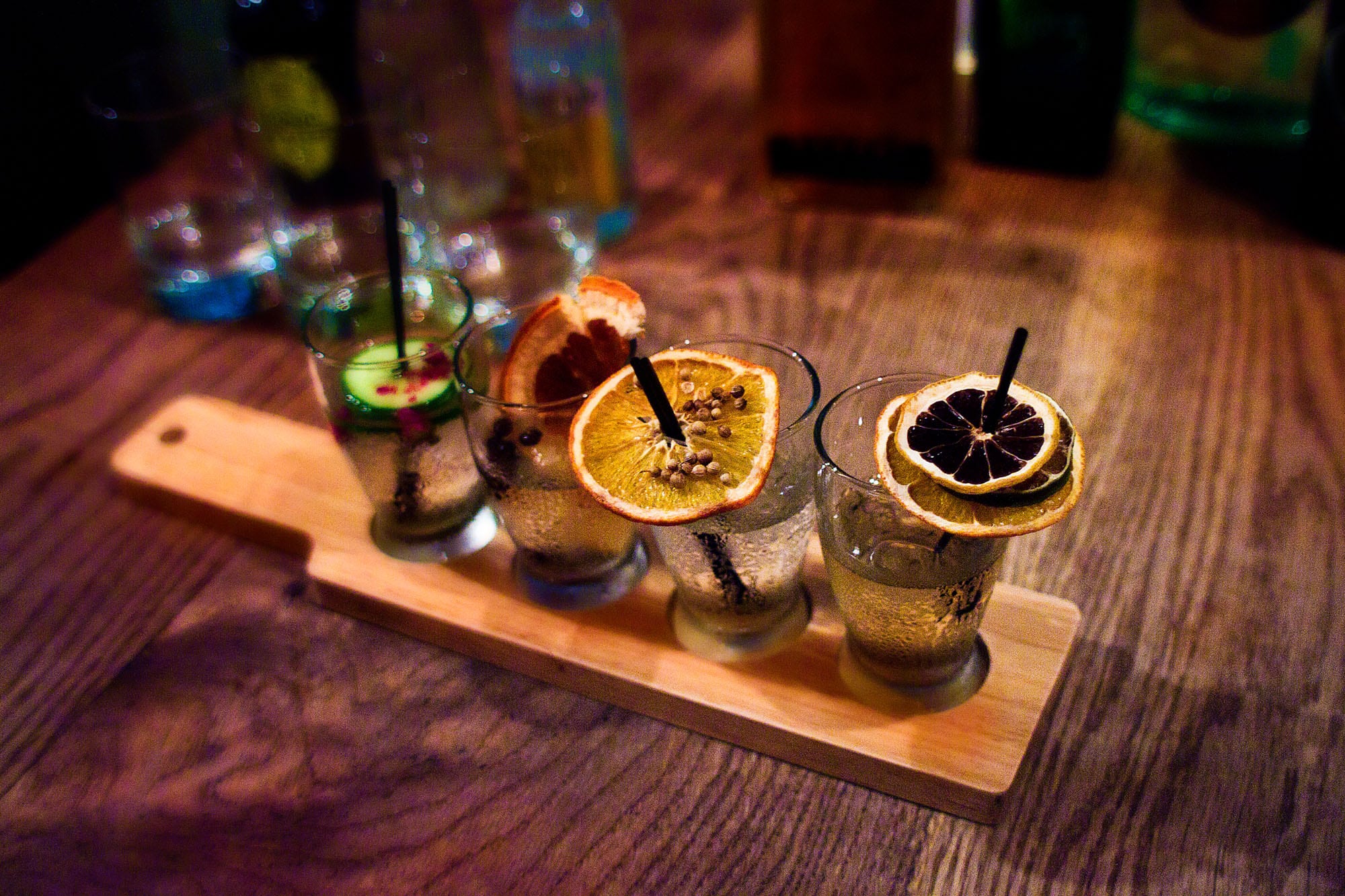
There are plenty of places in New York where you can get a drink. That alone does not make a night memorable. What sets a true gin bar apart is not simply the bottle count behind the backbar, or the fact that the martini arrives cold enough to mist the glass. It is the feeling that the room has a point of view. When a gin bar gets it right, every detail seems considered, from the shape of the stemware to the citrus expression over the drink, from the music level to the way the bartender asks what you usually enjoy before recommending something you might never have ordered on your own.
That is why a good evening at a Gin Bar NYC regulars trust can feel different from a stop at a generic cocktail spot. Gin has range. It can be crisp and spare, floral and perfumed, savory and herbal, resinous and intense, even subtly saline depending on the producer and the garnish. A bar built around that range tends to attract people who care about nuance. The result is a more attentive style of service, a more focused menu, and a stronger sense of occasion, even if all you came in for was one drink after work.
New York is especially good at this because the city rewards specificity. Generalists can survive here, but specialists create loyalty. A steakhouse with no opinion about beef rarely lasts. A bakery with ordinary bread gets forgotten. The same applies to bars. If a place chooses gin as its language, and speaks it fluently, guests notice.
The spirit itself invites a more interesting experience
Gin is one of the few spirits that can change character dramatically while still remaining unmistakably itself. Juniper is the anchor, but what happens around it opens a wide field for interpretation. One bottle leans hard into pine, citrus peel, and coriander. Another pushes lavender, chamomile, ororris root. Some modern styles bring in seaweed, shiso, olive, rosemary, or peppercorn. The base spirit matters too. A neutral grain base will drink differently from one built on wheat or grapes, and experienced bartenders know how those differences show up in the glass.
That complexity changes the interaction between guest and bar. At a whiskey bar, a bartender may guide you by age statement, region, or cask type. At a gin-focused bar, the conversation often becomes more sensory. Do you want something bright and zesty, or deeper and forested? Do you like your martinis bone dry and bracing, or slightly softened by a rounder vermouth? Are you after a classic gin and tonic, or do you want to try a tonic chosen for a specific botanical profile?
Those choices make the visit feel personal. The best bartenders at a Gin Bar NYC patrons return to understand that many guests do not have the vocabulary to describe exactly what they want. They translate preferences into drinks. Someone says, “I usually drink Sauvignon Blanc,” and the bartender steers them toward a highball built on a citrus-led London dry with a clean tonic and a grapefruit peel. Someone else says, “I love dirty martinis but I want something lighter,” and suddenly they are drinking a Gibson variation with a gentler gin, restrained brine, and a pickled onion that actually tastes house made rather than scooped from a gallon jar.
That kind of tailoring is difficult to fake. You feel it immediately when it is present.
Atmosphere matters more in a gin bar than people realize
A great gin bar rarely shouts. The spirit does not demand a loud room or a giant ice sphere dropping like a stage prop. Its strengths are subtler. Texture, aroma, temperature, and balance carry more of the experience than spectacle does. Because of that, the room itself tends to matter more than in bars where the drink can punch through noise and chaos.
Lighting is often where the spell begins. Not dark enough to make you squint at the menu, not so bright that every table feels exposed. Warm light flatters glassware and makes clear drinks look alive. There is a particular pleasure in watching a pale green gimlet catch the light or seeing the tiny bubbles rise in a well-built gin fizz. It sounds small until you notice how much of your impression is visual before you take the first sip.
Then there is the sound level. In the best rooms, you can hear your company and still feel the energy of the crowd. That balance is hard to hit in New York, where many bars either turn into near-clubs by 9 p.m. Or feel drained by over-correction. Gin bars that endure tend to understand pacing. Early evening welcomes conversation. Later, the room can swell a little without sacrificing clarity. Even the ice shake behind Gin Bar NYC the bar and the clink of coupes landing on wood become part of the atmosphere rather than noise pollution.
Seating matters too. At the bar, you get performance and access. At a small table, you get intimacy. In a booth, if the place has one, you get a sense of insulation from the city outside. The point is not luxury for its own sake. It is proportion. Gin bars feel special when they make enough room for the ritual of drinking well.
Ritual turns an ordinary drink into a memorable one
People often talk about hospitality in broad terms, but what guests remember are rituals. The napkin is placed before the glass arrives. The martini comes with a sidecar kept properly chilled, not forgotten on the bar top warming by the minute. The bartender peels citrus to order. Tonic is poured from a fresh bottle or gun pressure is adjusted carefully enough that the carbonation still lifts the drink instead of flattening it. None of these moves are expensive. They are simply disciplined.
A martini, more than any other gin drink, reveals whether a bar respects ritual. Anyone can pour gin and vermouth into a mixing glass. Precision is another matter. Glass temperature changes the first three minutes of the drink completely. So does dilution. So does garnish handling. An olive that has sat too long in stale brine can mute a beautiful spirit. A lemon twist cut too deep floods the surface with bitter pith. Even vermouth storage separates professionals from pretenders. Once opened, vermouth is perishable. At a serious bar, it is refrigerated, dated, and rotated. At a careless one, it oxidizes slowly and drags every martini down with it.
I have watched guests who believed they “didn’t like gin” change their minds after a properly made fifty-fifty martini. The drink arrives colder, lighter, and more aromatic than they expected. Suddenly gin is not an aggressive pine bomb from a college memory. It is structured, savory, and elegant. That shift happens because a bar treated the ritual seriously.
The same is true with simpler drinks. A gin and tonic can be forgettable or quietly excellent. Good ice, the right glass, balanced proportion, and a tonic chosen to complement rather than overpower the spirit make all the difference. At better bars, garnish is not decorative clutter. A lime wedge belongs with some gins and not others. Grapefruit, orange, rosemary, cucumber, basil, cracked pepper, or no garnish at all can each be the correct choice depending on the bottle. Restraint is often the mark of confidence.
Knowledge feels generous when it is shared well
No one enjoys being lectured at the bar. Expertise only enhances a visit when it arrives in the right dose, at the right moment, and with some humility. That is another reason every visit to a strong gin bar can feel special. The educational side of the experience is there if you want it, and invisible if you do not.
A smart bartender can read that difference fast. Some guests want a quick recommendation and privacy. Others want to know why one Japanese gin works so well in a highball while a classic London dry holds its ground better in a dry martini. Some want to compare styles from Spain, Scotland, New York State, or Australia. Some are curious about navy strength bottlings and whether the extra proof changes texture or just heat. A seasoned professional can meet each guest where they are.
That flexibility creates a sense of ease. You never feel tested. You feel guided.
There is also a practical pleasure in seeing a short, thoughtful menu rather than a bloated one. Bars that truly understand gin do not need to bury guests in fifty house cocktails. Often the strongest menus show a tighter hand. A few drinks built around seasonal produce, one or two martini riffs, a Collins, perhaps a bitter long drink, perhaps something savory, plus a backbar full of bottles for those who want to explore further. Editing signals confidence. It tells the guest that someone has already done the hard work of deciding what is worth your attention.
New York gives gin bars a deeper cultural backdrop
Part of what makes the experience distinctive in New York is the city itself. A Gin Bar NYC visitors stumble into is rarely just a bar. It is usually sitting inside a neighborhood ecosystem with its own rhythm, clientele, and habits. The gin bar in the West Village does not feel like the one in the Lower East Side. Midtown drinkers may want speed and polish. Brooklyn guests might linger longer over one well-made drink and a plate of something salty. Uptown crowds can reward classicism and quiet confidence. None of those tendencies are absolute, but they shape the room.
New York also has a long relationship with drinking traditions that suit gin. The martini has deep roots here. So does the appetite for bars that treat classics seriously. Add a dining culture that values ingredients, seasonality, and craft, and gin bars have fertile ground. They can lean old-school and tuxedo-sharp, or contemporary and botanical-driven, and both approaches can work if the execution is honest.
The city also supplies one ingredient that is impossible to bottle, contrast. On a winter night, stepping off a cold street into a warm room for a martini with lemon oil on the surface feels almost cinematic. In summer, a bitter gin spritz or a tall Collins with ruthless carbonation can reset an entire day. Because New York is intense, its best bars succeed by giving that intensity shape. The evening feels contained, even when the city outside is not.
Food, when done properly, deepens the experience
Many people underestimate how much a small food offering can elevate a gin bar. It does not need to be a full kitchen or a chef with a tasting menu. In fact, overreaching can distract from the bar's identity. What matters is smart pairing.
Salty, fatty, acidic, and briny foods naturally flatter gin. Oysters work because they amplify clean, mineral notes. Citrus-cured fish can bring out a spirit’s brightness. Good olives, real ones with texture and flavor, are not an afterthought beside a martini. Nuts warmed with rosemary or spice can make a simple G and T feel more complete. Cheese can work beautifully, though bartenders need judgment here, since some washed-rind or very sweet accompaniments can bulldoze delicate drinks.
The strongest gin bars understand portion and timing. A guest ordering one martini at 6:15 may want a few anchovies on toast or a small plate of crisps and dip. A couple settling in for two rounds may want enough food to maintain the evening without turning the table into a full dinner service. When the food respects the drinks instead of competing with them, the whole experience feels more intentional.
I have often found that bars become more memorable not because they serve more food, but because they serve exactly the right amount. It is the same principle as menu editing. Precision wins.
Seasonality keeps repeat visits fresh
One reason people return to a favorite gin bar is that the experience changes subtly over the year without losing its identity. Gin, despite its reputation as a warm-weather spirit, adapts remarkably well to seasonality.
In spring, bars may lean into herbs, green strawberries, peas, cucumber, mint, or delicate floral notes, used with a light touch. Summer invites longer drinks, bright citrus, tonic variations, and frozen glassware that buys you a few extra minutes before dilution shifts the balance. Autumn can move toward orchard fruit, gentian bitterness, rosemary, sage, and richer textures. Winter is where many bars surprise guests. Gin can handle smoke, pepper, evergreen notes, coffee accents, or a touch of saline depth without becoming heavy.
The key is balance. Seasonal gimmicks get old fast. Nobody needs a gin cocktail buried under jammy syrups or holiday spice until it tastes like a candle. The bars that keep every visit feeling special are the ones that let the season inflect the drink rather than dominate it.
This is also where returning guests notice craft on a deeper level. When a favorite drink rotates off, the replacement is not random. It fills the same emotional slot while reflecting a different time of year. That continuity builds trust.
Hospitality is remembered in small moments
People love to talk about exceptional service as if it belongs only to luxury settings. In reality, what most guests call special is simply thoughtful attention delivered without stiffness. At a gin bar, that can show up in very small moments.
A bartender notices that you are halfway through a martini and asks whether you would like the sidecar poured or prefer to keep it on ice a little longer. A server warns you that one gin on the menu has a strong violet note because you mentioned not liking floral perfumes. Someone quietly swaps your water glass without interrupting the conversation. The host finds a way to move you from a cramped corner to a better seat once the bar opens up.
None of this is theatrical. It is observant.
The trade-off, of course, is that this level of care depends heavily on staff retention and training. New York bars often struggle with turnover, and gin bars are not immune. When a place feels consistently special, it usually means the team has stability. Bartenders know the backbar. Servers know the difference between a vesper-style drink and a classic martini variation. Management protects standards. Guests feel the result, even if they never see the labor behind it.
Scarcity and intention make the experience feel earned
Not every special feeling comes from overt luxury. Sometimes it comes from scarcity. A small bar with limited seats, a tight reservation book, or a narrow service window can create focus if handled well. The room feels precious because it is not trying to absorb the whole city. There is a difference between exclusivity for show and intimacy by design. The latter tends to work better.
A gin bar often benefits from this smaller scale. Drinks built around aroma and precision suffer in chaotic volume. A room that can only support a certain number of guests may deliver a far better experience than a larger venue chasing maximum turnover. That is not always convenient for customers. You may wait. You may need a reservation. You may have to accept that your favorite seat is not available. But if the bar uses that constraint to protect quality rather than posture, the trade-off usually feels fair.
There is also the simple fact that New Yorkers recognize effort. If a place curates an original gin selection, trains staff well, stores vermouth properly, maintains quality ice, and keeps standards high night after night, guests sense the investment. The visit feels earned because it is the product of real care.
The best gin bars give regulars novelty and newcomers comfort
This balance is harder to achieve than most people think. Bars often excel at one side and fail the other. Some become insider dens where first-time guests feel intimidated. Others become so eager to welcome everyone that they flatten their identity. The most special places manage both.
For regulars, novelty might mean a new bottle from a small producer, a seasonal house martini variation, or a bartender remembering that you prefer a twist over an olive without asking. For newcomers, comfort often starts with the menu language and the staff tone. No jargon wall. No visible impatience. No sense that you need to have opinions about quinine levels or botanical extraction methods before taking a seat.
That balance matters because gin can still carry baggage for some drinkers. Many people had one bad encounter years ago with an over-poured, under-chilled drink and wrote the spirit off. A good bar knows how to reopen the conversation. It might start with a softer style in a Collins, or a lower-proof aperitif build, or a martini split with vermouth in a way that emphasizes aroma over heat. Converting skeptics is one of the quiet joys of the category.
Why the feeling lingers after you leave
The most memorable bar experiences do not end at the cashout. They stay with you because several things lined up at once. The drink was genuinely well made. The room felt tuned rather than accidental. Service met the moment. The bar expressed an actual point of view. New York, with all its pace and pressure, dropped into the background for an hour or two.
That lingering impression is what makes every visit to the right gin bar feel special. You are not just ordering alcohol. You are stepping into a carefully maintained environment where precision and pleasure still matter. In a city full of options, that kind of focus stands out.
And perhaps that is the real appeal of a great Gin Bar NYC drinkers return to again and again. It offers variation without chaos, expertise without arrogance, ritual without stiffness. One night, you come in for a cold martini and ten quiet minutes at the bar. Another night, you settle in with friends, order a round of long drinks, and let the room carry you deeper into the evening. Different moods, different weather, different company, yet the same core promise holds.
When a bar can deliver that consistently, it stops being just another place to drink. It becomes part of how you experience the city itself.
The Winslow
243 E 14th St
New York, NY 10003, United States
Phone: +1 212-777-7717
FAQ About Gin Bar NYC
How to do a gin tasting?
Start with a small pour and gently smell the gin before taking a small sip. Notice its juniper, citrus, floral or spice notes, then compare how the flavor changes with a little water or tonic. At a gin bar, ask the bartender to explain the selection and botanical pairings.
How to make the best tasting gin and tonic?
Use chilled gin, fresh tonic and plenty of ice. A common starting ratio is one part gin to two parts tonic, adjusted to taste. Choose a garnish that complements the gin's botanicals and stir gently to preserve the bubbles.
What is the smoothest tasting gin?
There is no single smoothest gin for everyone. Perceived smoothness depends on the botanical recipe, alcohol strength, serving temperature and mixer. Describe whether you prefer citrus, floral, herbal or juniper-forward flavors so a bartender can suggest a suitable style.